A new logo, a different switch and a redesigned air outlet can all appear as one-line requests in a product brief. When the OEM quote arrives, those three changes may call for very different amounts of work.
The main beauty device OEM cost drivers are the parts and functions that change, the engineering and tooling those changes require, and the work needed to validate the revised product. Ask the supplier to separate one-time development costs from what you will pay on every unit. A useful quote also names the base model, included sample rounds and any work still awaiting review.
What Actually Changes a Beauty Device OEM Budget?
Put the base sample on the table and describe the difference you want a customer to notice. If the goal is a different appearance on the shelf, start with the finish, branding and pack. If the goal is a different feel or operating sequence, be more specific. “Make this brush easier to use” could mean clearer markings, a switch in a different location or fewer steps to select a setting. Each brief gives engineering a different job to price.
It helps to list what should stay, too. A buyer might want a steamer with a different nozzle direction while retaining the existing water tank and filling routine. That gives the team a starting point for checking whether a new nozzle alone could meet the requirement, or whether the change reaches the joint, housing or steam path.
| Requested change | What may need review | What to ask the quote to show |
|---|---|---|
| New logo, finish or retail pack | Marking method, material or finish samples, artwork and packaging fit | Artwork or setup charges, sample scope and any recurring cost per device or pack |
| New housing shape or material | Part fit, assembly, material suitability and whether existing tools can be used | Affected parts, tooling work, trial samples and any change to part cost |
| New button location or operating sequence | Housing, switch or board layout, control logic, labels and instructions | Engineering work, prototype scope, functional checks and revised component costs |
| New heat setting, air outlet or steam path | Interaction with the heater, controls, airflow or water system, as applicable | Feasibility work, prototype or tooling needs and checks on the revised configuration |
| New head, tank or accessory | Mounting, fit, operation, packaging and replacement options | Separate part or tool costs, verification work and what is included with each unit |
Use the table to check which work your project actually needs. A branded sleeve may require artwork and a packaging sample. A new insert that changes how the product sits in the box may also need a fit review. If the existing unit already serves the intended use and the changes are mainly to the brand presentation, start with Private Label options for the selected platform.
Why Can a Small Change Affect Several Cost Lines?
The size of a part tells you very little about the work involved. Moving a switch a short distance can affect the opening in the housing, how the switch mounts and where the user expects to find it. A different marking beside the same switch could leave all three alone. The best way to understand the difference is to look at what the part connects to.
KD880: Start by deciding what to retain
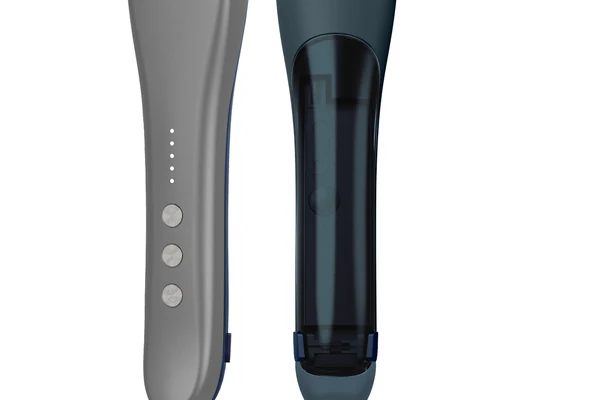
In a published KD880 project, a German beauty-tool distributor wanted a steam straightening brush with selected refinements for its range. K·SKIN Global retained the existing tank system and separate steam control, then worked on handling and exterior details within the existing platform. The customer also reviewed two comb-density options and chose to retain the established layout. The project covered localized packaging and instructions as well.
That last decision is worth paying attention to. The buyer got to assess a design difference before carrying it forward. You can use the same approach when briefing your own project. Ask the team to review the existing and proposed options against the same requirement. If the base design already does the job, keep it on the retained list and put the development budget into the changes the product still needs.
KD311: Follow a proposed change through the device
The KD311 hot-air straightening brush has separate controls for airflow and the heated comb. Imagine a buyer asks to change where air exits the brush. Before pricing the revised part, the team would need to look at the outlet geometry, the air path through the housing and any effect on how the device behaves in its operating modes. The quote could then specify whether the next step is a feasibility review, a prototype or work on a molded part.
A request to change what a switch does would start elsewhere. The team would first define the expected behavior in each mode, then review the controls, electronics and user instructions as applicable. Once those decisions are clear, ask what will be checked on the revised sample and what result would let the project proceed. The two requests can be evaluated separately, even if the buyer intends to put both on the same product.
How Should You Read the Development Quote?
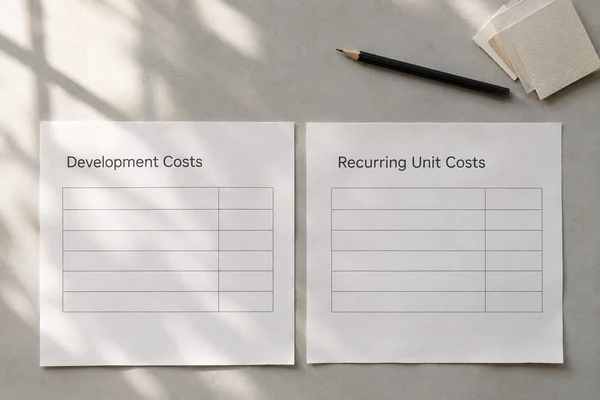
Before comparing totals, find the product revision the quote describes, the work included to get it approved and the cost of making that revision in volume. You should be able to tell which parts of the quote are confirmed and which are allowances pending a design or sample decision.
One-Time Development Costs
Ask what each line buys. A prototype fee might cover a model for reviewing shape and grip, a working sample for evaluating a revised function or both. Those are different deliverables. Tooling cost should identify the parts involved, whether the estimate covers modifying an existing tool or making a new one, and whether tooling trials and corrections are included. For testing or validation, ask what configuration and checks the estimate covers, who will carry them out and what records you will receive.
Agree how changes are handled before releasing the next stage. A correction needed to meet the agreed brief and a new feature requested after approval are different situations. Each can generate work. Ask the supplier to spell out the revisions included in the quote and when either situation would require a new approval or charge.
Recurring Unit Costs
A design can use the same main housing and still cost more to produce. An added accessory, a new internal part, an extra assembly step or a different pack can all carry through to the unit price. Ask for that price at a stated quantity, with the approved or proposed configuration and included items listed.
If a supplier includes a tooling or development charge in the unit price, find out how many units are used to recover it and what price applies after that quantity. If the charge is billed separately, keep the cash due at each development stage visible in your comparison. This helps you distinguish the money needed to get started from the cost of a repeat order. It also makes it easier to compare two quotes that present the same work differently.
Once the configuration and basis of the unit price are clear, use our bulk beauty device landed cost guide to compare the cost of bringing each order to the same warehouse. It explains how to account for packaging, freight and applicable import charges while keeping unconfirmed amounts visible.
What Should You Send Before Requesting an OEM Budget?
A useful enquiry can start with an existing model and a few specific requirements. You can point to a part of the sample, explain what you want your customer to experience, and describe what is already working for you. Engineering can then review the proposed change with a clearer understanding of why it matters.
- Name the base model or sample, including its market version if known. A dated sample reference or marked-up photo helps.
- List the features to retain, the changes essential to launch and the options you could defer.
- Describe the target market, sales channel and intended use. Include known packaging, labeling or electrical requirements.
- Give your expected first-order quantity and a separate estimate for repeat orders.
- Say what you need to approve before committing further. That might be a finish sample, a working prototype or verification of a specific change.
- Ask for separate development and production costs, including the basis for each estimate and any work still to be scoped.
At K·SKIN Global, we can review that brief against the available base platforms and discuss which requirements need engineering review. For hair styling tools, that might involve heat, airflow or controls. For facial steamers or other home beauty devices, the review might focus on the water path, treatment head or accessory interface, depending on the project. The OEM/ODM development team can help define what needs evaluating before you commit to prototype or tooling work.
FAQ
Can we get an estimate before having finished drawings?
Yes. A sample reference, a clear description of the desired change and a target market can support an initial scope discussion. Ask which items can be estimated from the brief and which depend on a drawing, material selection or engineering review before a firm quote.
Can we use an existing tool and still have development costs?
Yes. Changing a control, material or accessory can still require engineering, samples or verification. Ask which original parts and processes the project can retain and what new work the supplier has included.
What happens if the prototype works but the retail packaging changes?
Review the revised package with the intended production sample. Even with the same device, a new insert or accessory arrangement may change the fit and the work needed to check the complete pack. Ask whether the revision affects setup fees, recurring pack costs or both.
Can we ask for two options before committing to the full project?
Yes. Ask for a base proposal that covers the essential product difference, plus a separate estimate for optional features. For an option that depends on another change, ask the supplier to name that dependency and price the necessary work together.
Conclusion
An OEM budget becomes easier to assess once the proposed change is specific. Then you can see which parts of the device stay in place, what needs to be developed or checked, and which costs continue once production starts.
If you have a sample or a shortlist, send K·SKIN Global the change you need, the market you plan to sell in and your expected quantity. We can start with the part of the brief that matters most and use it to define the next development decision.
🌐 Website: kskinglobal.com
✉️ Email: info@kskinglobal.com