
Manufacturing & Quality Control
A reliable commercial product depends on more than final inspection. K·SKIN Global focuses on controlling the approved product version throughout production, assembly, functional inspection, product-specific testing, and final commercial release.
The goal is to reproduce the approved version consistently while keeping the product, packaging, and supporting information aligned.
Manufacturing Reliability Depends on Process Control
Factory size can indicate manufacturing scale, but scale alone does not guarantee consistent production. For a B2B buyer, the more important questions are whether the approved product is clearly defined, whether production follows that definition, and whether deviations can be identified and addressed before shipment.
Manufacturing reliability is built through repeatable process control rather than factory appearance alone.
Approved References
Production should follow the confirmed product version, approved samples, and relevant project requirements.
Production Flow
Products should move through defined manufacturing and assembly stages rather than rely on individual experience alone.
In-Process Checks
Relevant checks should take place during production rather than only after the complete product has been assembled.
Issue Handling
When an abnormality is identified, the affected product should be isolated, reviewed, and resolved before moving forward.
Product Records
Where applicable, production and inspection information should provide a useful reference for product review and issue investigation.
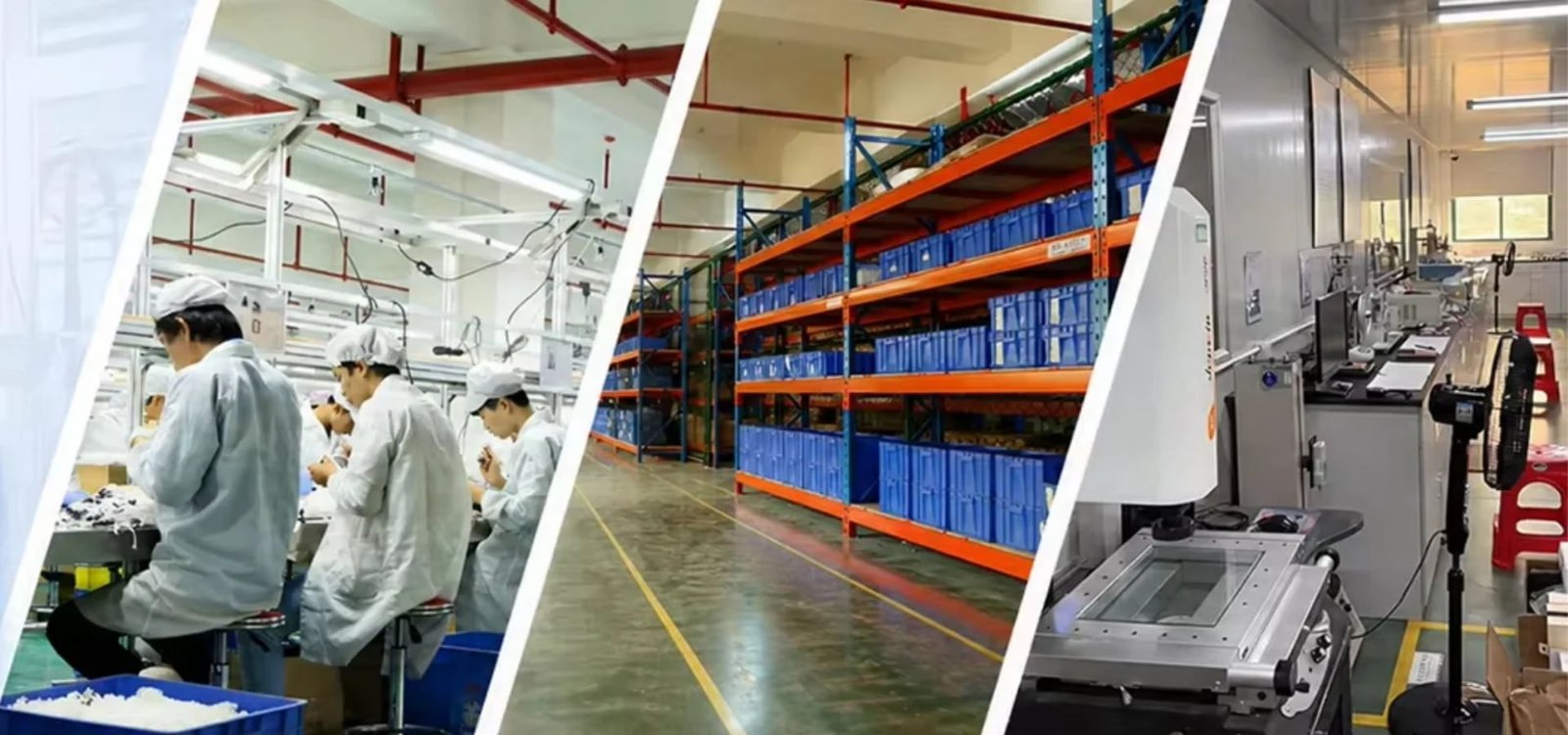
See the Manufacturing Environment Behind the Product
Manufacturing evidence should be visible rather than described only through marketing statements. Review selected areas of the production environment involved in assembly, inspection, testing, packaging, storage, and product handling.
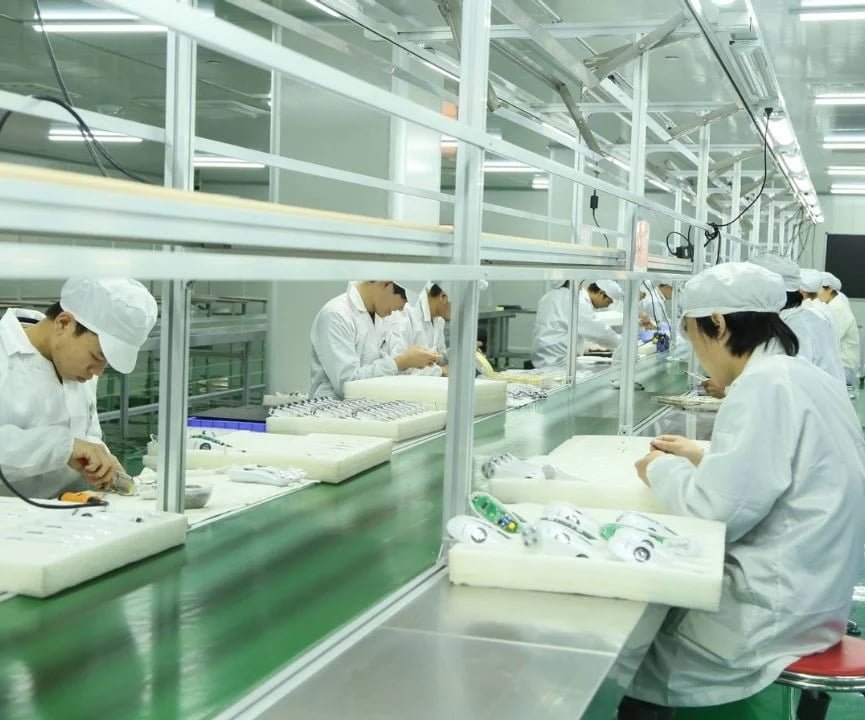
Product Assembly
Selected production and assembly operations for beauty devices and hair styling tools.
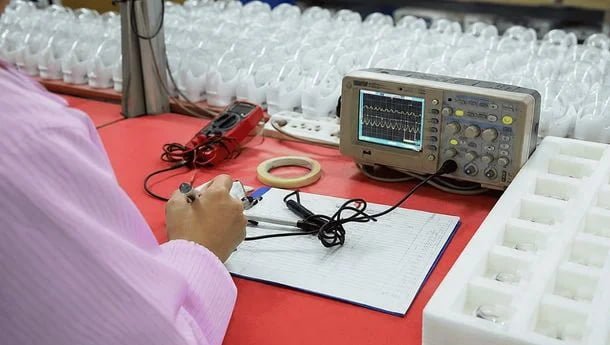
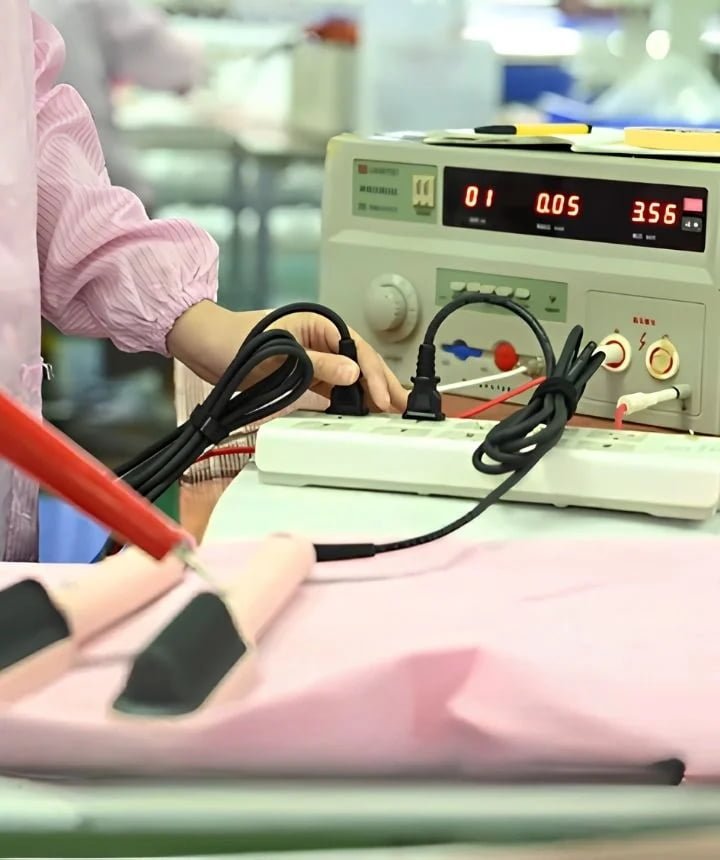
Functional Inspection
Product checks performed during or after relevant assembly stages.
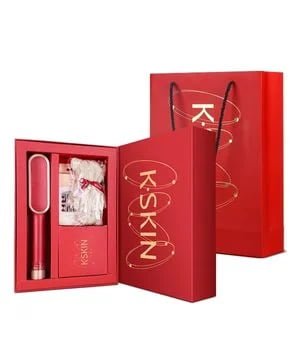
Packaging & Finished Product
Product handling and packaging before commercial release.
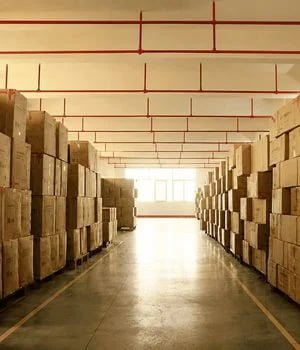
Warehouse & Material Handling
Selected storage and handling areas supporting commercial production.
See Selected Manufacturing Operations
Review selected footage showing production, assembly, testing, packaging, and the manufacturing environment behind beauty-device projects.
From Approved Product Version to Commercial Release
Production should begin with a clearly approved product version rather than assumptions made on the production line. The exact route varies by product, but the approved reference should remain connected to every important manufacturing stage.
Product Version Confirmation
Confirm the exact model, functional configuration, electrical version, accessories, and approved commercial requirements.
Material and Component Preparation
Prepare the materials and components required for the confirmed version and review relevant incoming items according to applicable requirements.
Product Assembly
Carry out assembly according to the defined product structure and production requirements for the selected model.
In-Process Checks
Check relevant functions, assembly conditions, and key product characteristics during production where appropriate.
Product-Specific Testing
Perform checks according to the actual technical system of the product rather than applying one generic test list to every model.
Packaging & Final Review
Confirm the finished product, accessories, labels, manuals, and packaging against the approved commercial version before release.
Quality Control Should Not Begin at Final Inspection
Final inspection can identify some visible or functional problems, but it cannot replace control earlier in the production process. A more practical approach is to control the product before production, during production, and again before commercial release.
Define the Reference
Before Production
Manufacturing should begin with a clear reference for the exact commercial product.
- Approved product version
- Product specifications
- Electrical configuration
- Accessories and packaging requirements
- Relevant production information
Monitor the Process
During Production
Check the areas that can influence final product consistency while there is still time to identify and contain an issue.
- Assembly condition
- Relevant components
- Connections, where applicable
- Functional operation
- Product-specific process requirements
Verify the Finished Product
Before Commercial Release
The release decision should be based on the approved product version, not simply on whether the unit can power on.
- Appearance and functions
- Electrical version
- Accessories
- Labels and manuals
- Packaging
Final inspection is important, but it should not be the first time a product problem is discovered.
Product-Specific Testing for Different Beauty Device Categories
Different beauty appliances rely on different technical systems. Relevant checks should therefore follow the actual product rather than one generic checklist repeated across every category.

Heating, Airflow & Operating Stability
Depending on the model, relevant checks may include the following areas.
- Heating performance
- Temperature control
- Operating stability
- Airflow, where applicable
- User controls
- Electrical operation
- Assembly condition
Water Path, Heating & Steam Performance
Depending on the model, relevant checks may include the following areas.
- Water-system operation
- Heating performance
- Steam or mist output
- Leakage-related checks
- User controls
- Operating stability
- Cleaning-related product considerations
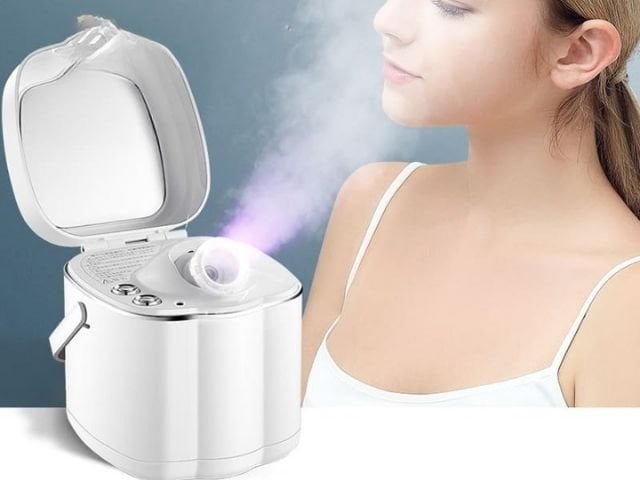

Functional Output & Skin-Contact Review
Home beauty devices can use very different operating technologies, so technical checks should be defined for the actual model and technology involved.
- Functional output
- Control modes
- Electrical or battery operation
- Treatment-head condition
- Skin-contact surfaces
- Accessories
- General operating stability
Control the Product Version and Every Commercial Change
Many production problems do not begin with assembly. They begin when the buyer, sales team, engineering information, and production reference are no longer describing the same product.
One Model, One Approved Version
The commercial reference should clearly identify the agreed product model, configuration, and supporting commercial information.
Small Commercial Changes Can Affect More Than Appearance
A change to the product, packaging, or market configuration may affect more than the visible appearance.
Materials or components
Production methods
Labels or manuals
Product documentation
Testing requirements
Cost and lead time
Changes should be reviewed before the approved product version is updated.
Keep the Evidence Aligned with the Product
Specifications, reports, certificates, and other supporting documents should be reviewed against the exact product and technical version to which they apply. A document should not automatically be assumed to cover every modified model or market version.
Review the Exact Product Before Commercial Production
Quality requirements are most useful when they are discussed in relation to a specific product and commercial version. Tell us which product you are evaluating, the destination market, and any important production or inspection requirements.
Questions Buyers Ask Before Production
Can we evaluate samples before volume production?
Do all products use the same quality-control checklist?
Can we define additional inspection requirements for our order?
How do you make sure production follows the approved sample?
Are the same certificates or reports available for every model?
Where can we review company certifications and manufacturing credentials?
Share Your Product & Quality Requirements
Tell us which product you are evaluating and the manufacturing, testing, or commercial requirements you want to review.