
Private Label Beauty Devices & Hair Styling Tools
Build Your Brand on an Established Product Platform
Start with a product that already fits your market, then adapt the commercial version around your brand. K·SKIN Global supports selected hair styling tools, facial steamers, and home beauty devices for Private Label projects focused on branding, packaging, and market-specific commercial configuration.
Established Product Platform
Brand Configuration
Sample Evaluation
Commercial Version Approval
Private Label Starts with Product Fit
The first question is whether the underlying product fits your intended consumer, sales channel, commercial position, and target market. Branding decisions should come after the base product has been evaluated.
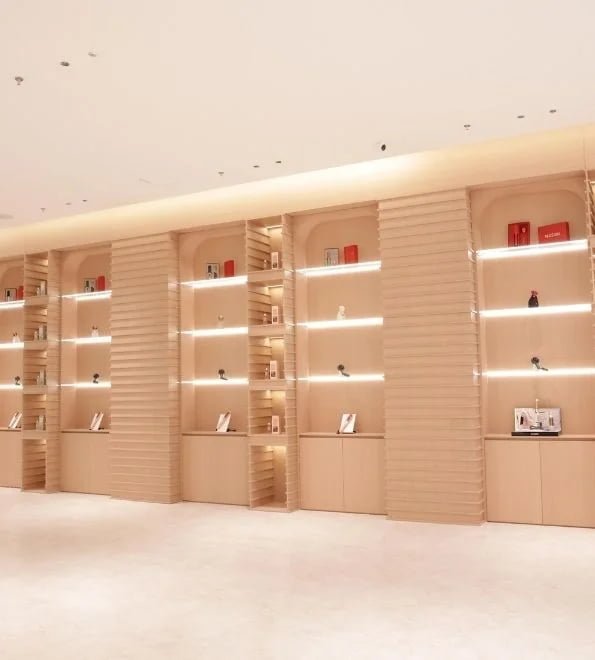
Select the Right Base Product
Start with an existing product platform that already fits the intended consumer routine and commercial position. Evaluate the actual product before deciding how much branding or packaging work is necessary.
Define What Needs to Change
Identify the commercial adjustments required for your brand. Typical requirements may include logo application, product color, surface finish, packaging, labels, user manuals, electrical configuration, and approved accessories.
Keep Product Development Separate
Private Label works best when the core product remains substantially unchanged. Projects requiring new tooling, structural changes, new electronics, or deeper functional development should move into OEM/ODM evaluation.
Explore OEM/ODM DevelopmentFor a focused product project, review private label hair straightener brush options or private label facial steamer options. For other platforms, browse the product range first.
Private Label Branding & Configuration Options
Read the published KD380K private label project for an example of the project scope discussed on this site.
Review the branding, packaging, and market configuration needed for your Private Label project. Available options depend on the selected model, material, production process, and order requirements.
Logo & Brand Identity
Logo application, product naming, placement, and selected marking details can be reviewed according to the actual material and surface.
Color & Surface Finish
Standard colors, selected custom colors, surface finishes, decorative details, and supported control markings may be evaluated by model.
Packaging
Branded color boxes, inserts, protective trays, barcode labels, information cards, carton markings, and selected product bundles may be configured.
Labels & User Manuals
Rating labels, warnings, manuals, diagrams, cleaning instructions, languages, and responsible-party information should match the exact commercial version.
Electrical & Market Configuration
Confirm an existing, approved electrical version for your destination market, including voltage, frequency, plug, power cord or adapter, charging cable, and required markings. Changes to circuitry, batteries, heating systems, or core functions require engineering evaluation.
Accessories
Review which existing accessories, storage items, charging accessories, or bundle combinations are approved for the selected model. Confirm compatibility before including them in the branded version.
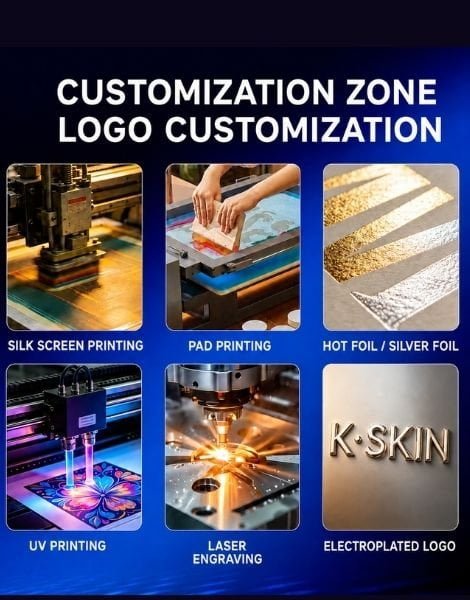
Important: the available Private Label scope should be confirmed for the exact model. Not every logo method, color, packaging format, or electrical option applies to every product.
Sample Evaluation and Commercial Version Approval
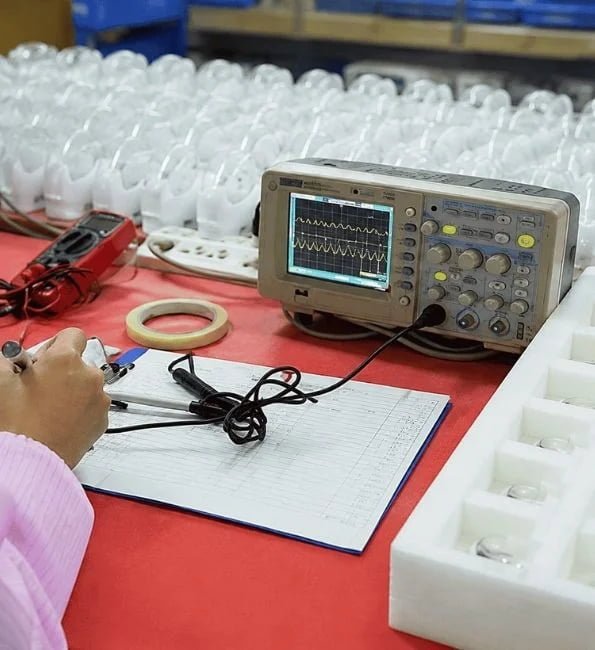
Keep a versioned approval set for the selected model: sample identity, logo placement, color reference, packaging artwork, labels, manuals and included accessories. Record outstanding changes before authorizing the branded order.
Select the Product
Choose the product platform according to your target market, consumer routine, and commercial position.
Evaluate the Base Sample
Review the product's appearance, operating experience, functions, configuration, and overall market fit before finalizing branding work.
Confirm the Private Label Scope
Define the required logo, color, packaging, labels, manuals, electrical version, and approved accessories.
Review Branded Materials
Review the agreed logo placement, product color, packaging artwork, labels, manuals, and other brand materials. Where necessary, a branded sample or packaging reference can be reviewed before production.
Approve the Commercial Version
Confirm the exact model, electrical configuration, branding, packaging, accessories, and approved reference version before volume production.
Private Label MOQ, Pricing & Lead Time
There is no single MOQ or lead time that applies to every Private Label project. Commercial conditions depend on the exact product version and the scope of branding and market configuration.
Product Model
Different products may have different material, assembly, and production requirements.
Branding Method
Logo application methods, special colors, and surface finishes may affect sampling and production conditions.
Packaging
Custom boxes, inserts, labels, and manuals may have their own quantity and preparation requirements.
Electrical Configuration
The selected approved voltage, plug, adapter, or charging version may affect pricing and production planning. New electrical designs require separate engineering evaluation.
Order Quantity
Commercial pricing and workable customization options depend partly on the expected order quantity.
Target Market
Required languages, labels, documents, and market-specific configurations may affect the final commercial setup.
Need More Than Private Label?
Private Label
Adapt the branding and commercial presentation of an existing product.
OEM/ODM
Change the product itself through structure, electronics, tooling, core functions, or deeper product development.
Discuss Your Private Label Project
You do not need a complete Private Label specification before contacting us. Start with the product, target market, and estimated quantity, and we can review which options are practical for the selected model.