
Bringing KD880 Steam Styling to a German Distributor’s Range
A German beauty-tool distributor wanted a steam straightening brush to complement its mid-to-premium range. The opportunity came with practical questions: steam consistency, leakage concerns, product feel and preparation for European retail and wholesale channels.
K·SKIN Global built the project around KD880, retaining its established water-tank system and independent steam control while coordinating selected refinements, market-version preparation and localized materials. Samples were approved, the first batch was delivered, and a second order is now under discussion.
- Samples approved
- First batch delivered
- Second-order discussions

A New Function. Higher Expectations.
The customer had established sales channels. The challenge was to introduce a more distinctive product with a clear evaluation and delivery plan.- Customer Base
- Germany
- Business
- Mid-sized Beauty-Tool Distributor
- Channels
- European Beauty Stores & Online Wholesale
- Product
- KD880 Steam Straightening Brush
- Project Type
- OEM on an Existing Platform
- Commercial Goal
- Extend a Mid-to-Premium Range
Differentiate with a Function Buyers Could Evaluate
Steam offered a point of difference from conventional heated brushes. Before adding it to the range, the customer wanted to understand the interaction between steam and heating, particularly output consistency and the risk of leakage.Improve Product Feel Within a Defined Scope
The customer wanted small improvements to handling and comb layout, alongside a quality presentation. The project needed room for refinement without expanding into a completely new product and tooling program.Prepare for the Market and the Selling Season
Electrical configuration, relevant safety and materials documentation, packaging and instructions all had to be considered. The customer also needed production planning to take its peak-season arrival target into account.
Evaluating Steam Before Committing
We brought the customer’s steam-related concerns into the sample discussion before finalizing the product direction.
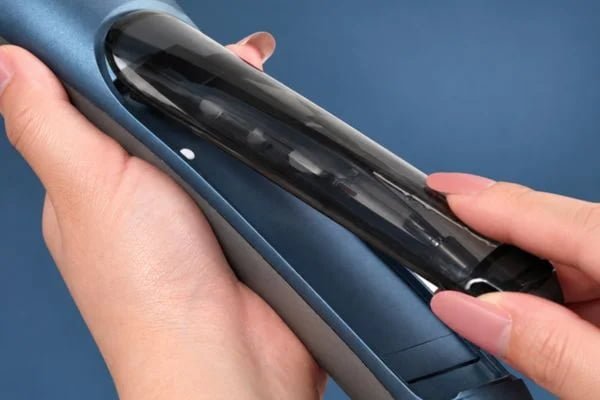
Start with the Customer’s Operating Concerns
The customer was concerned that a steam feature could introduce inconsistent output or water leakage. Those questions shaped the evaluation, alongside how the steam and heating systems worked together in use.
Support the Review with Product Information
We provided steam-stability test data and use-scenario guidance to help the customer assess the product against its end-market needs. This gave the sample discussion a more concrete basis than appearance and feature names alone.
Keep the Established Steam System at the Core
Our proposal retained KD880’s established water tank and independent steam control. The customer responded positively to the separate steam control and leak-prevention design, and the project proceeded with selected refinements around that base.
What We Changed—and What We Kept
A useful customization process includes deciding when an existing design already serves the customer’s priorities.
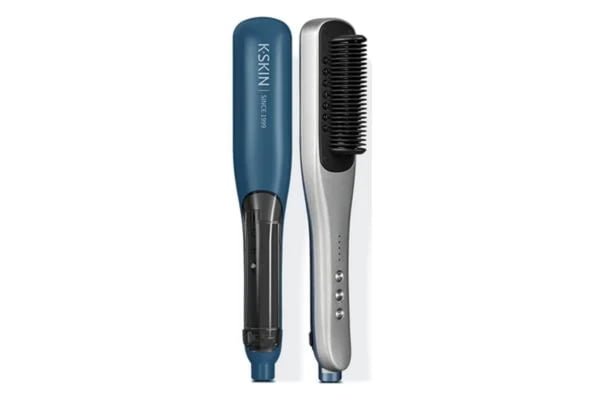
Retain the Water Tank and Steam Control
We kept the established steam-system direction and focused the OEM scope on local refinements. The customer could pursue a more tailored offer without treating every part of the product as a new development task.
Focus on Handling and Appearance
The project included selected handling and exterior-detail adjustments within the existing-platform scope. These addressed the customer’s interest in product feel while keeping the main tooling as the basis of the project.
Keep the Established Comb Density
The customer requested another review of comb-tooth density. We supplied a comparison of two density options, after which the customer chose to retain the established layout, prioritizing straightening efficiency and stability.
A Decision Made with the Customer
The comb-density discussion was a meaningful part of the cooperation. We helped the customer weigh an additional change against the reasons for retaining the existing design, and the final choice remained aligned with the project’s functional priorities.
Preparing for European Channels
The product decision and the market-preparation work belonged to the same project: the version, supporting materials and retail presentation needed to move forward together.
Match the Project’s Electrical Version
We confirmed the European-market electrical direction and certification pathway with the customer, then matched the corresponding version. This kept market requirements connected to the selected product rather than leaving them outside the customization discussion.
Address the Customer’s Documentation Priorities
Electrical safety, materials and RoHS-related requirements were part of the customer’s concerns. We coordinated the version and documentation path as part of the project preparation, alongside the steam and handling evaluation.
Localize Packaging and Instructions
Packaging and instruction localization progressed in parallel with the product work. The aim was a coordinated retail package for the customer’s channels, with the product presentation and user information prepared as part of the agreed supply scope.
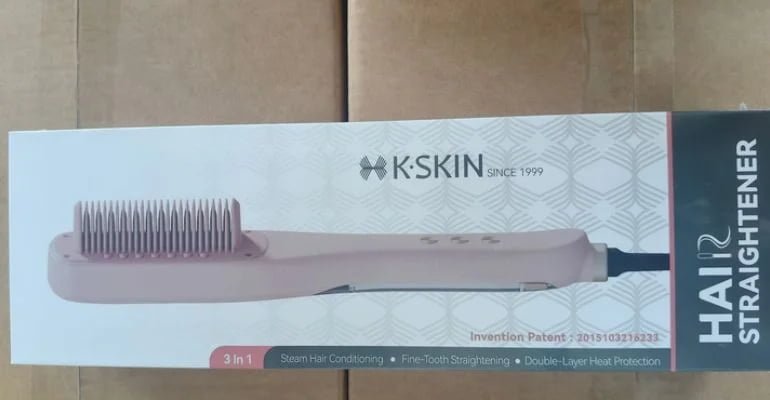
Keeping the Work Moving Together
The customer’s seasonal plan made coordination important. We advanced the product decisions, localized materials and production arrangements together.
Close the Sample Decisions
Steam-system evaluation, the selected refinements and the comb-density decision led to a confirmed sample direction. Sample approval was completed before the first production batch was supplied.
Progress the Supporting Materials
Packaging and instructions were coordinated alongside the product work. This brought the customer’s channel-preparation needs into the project while the product direction was being finalized.
Plan Around the Seasonal Target
We secured a production schedule around the customer’s peak-season plan. The first batch was subsequently produced and delivered for the European channel rollout.
Delivered to Channels. Planning the Next Step.
The project reached first-batch delivery, giving the customer a steam-assisted addition to its range and feedback from the channels it intended to serve.
Sample Approval & First Delivery
Samples were confirmed and the first production batch was delivered. The selected OEM scope progressed from product evaluation to supply.
European Channel Rollout
The product entered the customer’s European channels. The distributor reports a positive reception to the steam function from retail stores.
A Second Order
Follow-up order discussions are now underway. The next commercial conversation follows the first delivery and initial feedback from the customer’s stores.
A Differentiated Product with a Defined Route to Supply
The customer gained a steam-styling addition to its existing range while keeping development focused on the changes that mattered. K·SKIN Global’s contribution was to support the functional evaluation, work through the customization decisions and coordinate market preparation with production—carrying the project through to its first channel delivery.
Planning a Steam Styling Product for Your Market?
Start with Your Market & Product Priorities
Tell us where you sell, what you want the product to do and which parts you would like to adjust. We can discuss the base platform, sample priorities, customization scope and preparation for your channels.
Tell Us About Your Project
- Your target market and intended sales channels.
- The steam, handling or product changes you want to evaluate.
- Your estimated quantity and target arrival period.