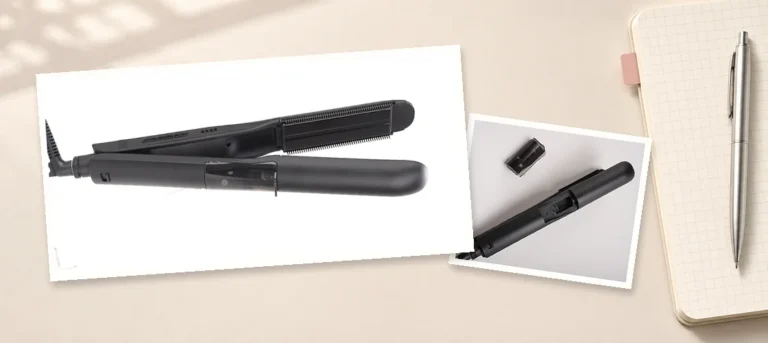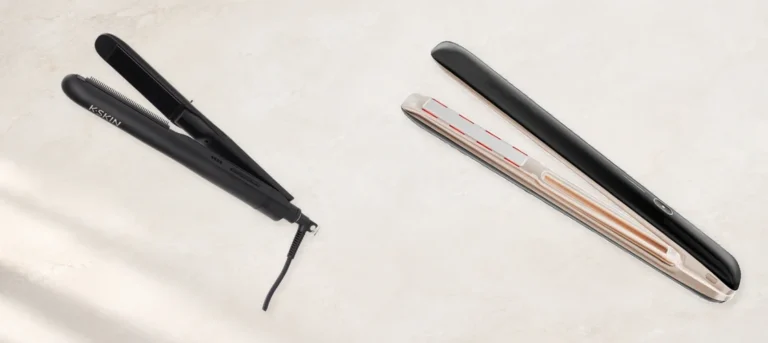
Two automatic curlers can carry the same wholesale price and leave a buyer with different costs before either reaches a shelf. The difference can start with the winding mechanism and extend to the box around it.
To compare automatic hair curler wholesale quotes, identify how each model takes up, winds and releases a section of hair. Select a reference sample, then ask suppliers to price the same electrical version, plug, pack contents, quantity and delivery terms. Separate standard and branded packaging so you can see what changes the first-order cost and what you will pay again on a reorder.
Suppose one offer says “automatic curler, standard packing.” Another specifies the plug, manual language, retail box, protective insert and units per shipping carton. The first supplier may have a better price. At this point, though, you cannot tell whether both suppliers are pricing a unit you could sell through the same channel. A blank beside “retail box” is an unanswered question. It has no reliable value in a cost comparison yet.
The same problem starts even earlier if the supplier uses a catalog photo in the quote and your team approved a physical sample. A photograph can identify a housing. It tells you little about what the direction button does when someone lifts a thumb halfway through a wrap. Before spending time negotiating a unit price, settle which tool and which retail pack that price will buy.
What Does “Automatic” Mean on the Model You Are Buying?
An automatic curler takes over at least part of the winding movement. That leaves several useful distinctions for a buyer. Where does the user place the section? How much of the barrel is visible during winding? Who chooses the direction, and what stops the rotation? The answers affect the feel of the product, the instructions in the box and the demonstration your team can approve.
Look at the hair entry and winding path
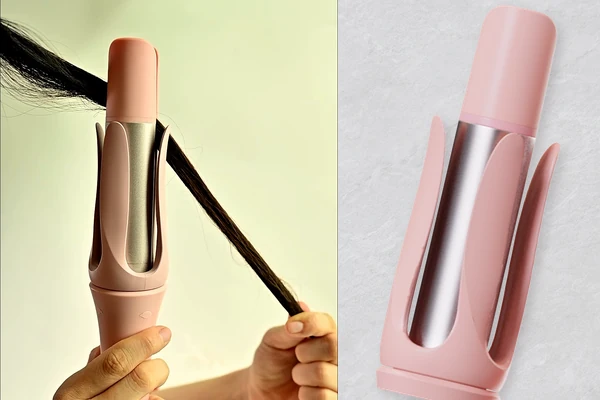
With an exposed rotating barrel, the section and its position around the barrel are easier to see. On a guarded design, the opening in the guard matters because it determines where hair can enter and how it comes out. Two guarded models can still differ in the view the user gets while placing a section. A straight-on catalog shot is a poor angle for seeing that distinction.
A short, uninterrupted side view is more useful during shortlisting. Watch one prepared section enter, wind, stop and leave the working area. If the clip cuts from a loaded barrel to a finished curl, the part you most need to review may be the part that was edited out. Requesting that missing view can save a sample shipment when the mechanism clearly differs from your brief.
Separate the stop control from hair release
On a hold-to-rotate tool, releasing a direction button can stop the motor while the hair remains wrapped. The operator still has to remove the section following the model instructions. On any model described as having an automatic cycle, ask what initiates the cycle, how it can be interrupted and how the section is removed afterward. “Automatic release” on a sales sheet deserves a demonstration of precisely what is released.
This distinction belongs in a wholesale specification because a change in button behavior can change the customer experience without changing the exterior. If the sample you preferred allowed the operator to stop winding simply by lifting a thumb, record that behavior alongside the model reference. “Two direction buttons” alone would leave room for a different interpretation.
What Is Worth Approving on the Sample?
For an importer or private label brand, a sample has two jobs. First, it helps decide whether the curler fits the range. Then it becomes a reference for what the supplier is being asked to quote. A general comment such as “good curl” serves the first discussion poorly and gives the second almost nothing to work with.
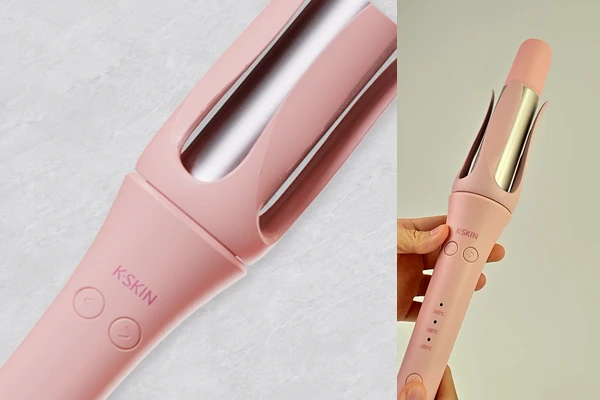
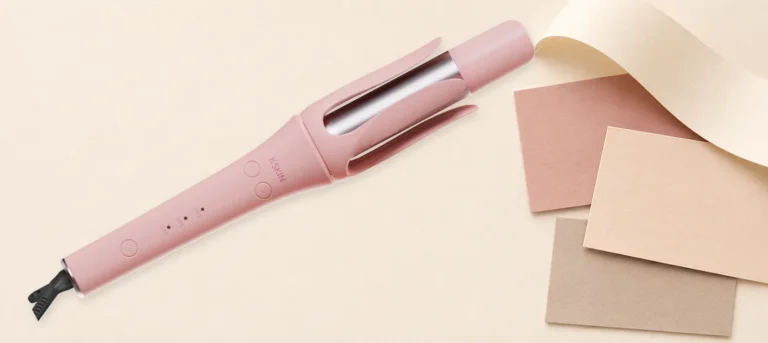
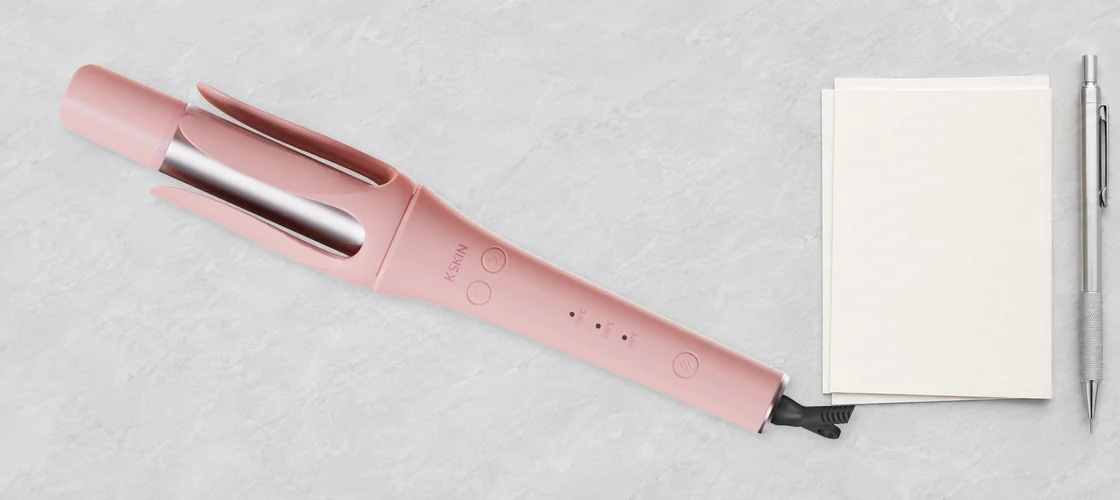
The K·SKIN K3 automatic hair curler illustrates the level of detail that helps. It is a corded model with a guarded barrel, separate left and right rotation buttons, and three heat settings. The operator holds the selected direction button to rotate. For a range built around user-controlled winding, that last detail says more about the product’s appeal than the number of settings does. The customer decides when to stop taking up hair.
During a trial, the buyer can observe how clearly the opening guides the section, whether the direction controls are easy to distinguish in the hand and what happens when the button is released. Keep the finished-curl assessment separate. Hair preparation, section size, selected setting and handling all affect what one trial can tell you. A successful wrap is useful feedback about that sample under those conditions. It gives little support to a universal “tangle-free” claim, and the presence of a guard alone does not justify “burn-proof” on the box.
For the quotation, keep a sample identifier, a photograph of the head and controls, and a short note on the behavior you approved. If a supplier proposes an alternative mechanism, ask for it on a separate quote line with the difference identified. You can then judge a potentially worthwhile alternative without losing track of the model your team originally selected.
Which Market Version and Pack Contents Does the Price Cover?
Once the mechanism is settled, electrical and packing details start to explain differences that a product photo cannot show. For a corded curler, the rated input, plug and label must describe the version you intend to order. A sample that operates at your office does not establish which plug will arrive in a shipment for another destination.
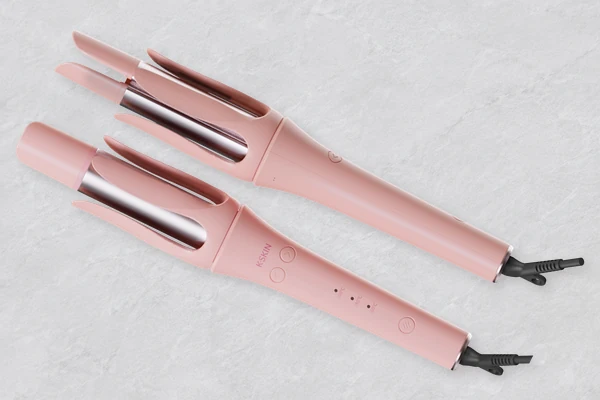
The K3 provides a useful example of how to read a packing list. Its public product page lists one curler and one operation manual, with the manual language agreed for the order. The power cord is fixed to the main unit. Counting it as a separate accessory would make a simple pack look more generous without adding anything to the box. The destination plug, language edition and final retail packaging still need to be specified.
A buyer comparing packs can divide the description into three lines:
- Inside the retail box: main unit, manual language and any accessories expressly included. If a pouch, glove or clip matters to the offer, give it a line of its own and ask whether it is included or optional.
- Around the retail unit: standard or branded box, protective insert, barcode and agreed labeling. A branded sleeve over an existing box and a newly developed gift box are different requests.
- Inside the shipping carton: retail units per carton, carton dimensions and packed weight for that configuration. These are the figures a freight partner needs to estimate transport.
The last line is easy to overlook when the device stays the same. A deeper gift box can change how many retail units fit in a carton. If your freight estimate uses carton data for the standard box, the resulting landed-cost figure may look precise while describing a pack you will never receive.
How to Compare Wholesale Quotes on the Same Basis
A comparable quotation lets you point to a difference and say what you receive for it. Send both suppliers the same request for quotation (RFQ), including the intended pack. Ask each to flag departures from that request. This leaves room for a supplier to offer a useful alternative while keeping the base prices comparable.
| RFQ field | What to specify | What a difference could mean |
|---|---|---|
| Reference model | Model or sample ID, winding format, direction control and stop behavior | The lower price may cover a different operating experience. |
| Electrical configuration | Destination, rated input, plug and label requirements | A different market version may require new sample or document review. |
| Complete retail unit | Device, manual edition, agreed accessories, box and insert | One supplier may have priced items the other left open. |
| Order quantity | Same unit count, with the split by color, plug or language if relevant | A total quantity may be divided into smaller runs with different terms. |
| Price and delivery basis | Currency, delivery term and named delivery point | Different transport responsibilities can account for part of the price gap. |
| First-order charges | Artwork setup, tooling or other one-time fees, where applicable | A launch order and an unchanged reorder may have different effective unit costs. |
| Timing | Quote validity, production estimate and the event that starts the lead time | One estimate may begin after payment, another after artwork or sample approval. |
Compare the first order and the reorder separately
If a quotation includes a one-time packaging setup fee, divide that fee by the units in the first order and add the result to the quoted unit price for that order. That gives you a first-order comparison on the same delivery basis. It is still only part of landed cost if freight, duties or other destination charges remain outside the quote.
For an unchanged reorder, ask which charges actually recur. A box or printed insert supplied with every unit remains a recurring cost. A confirmed one-time setup fee can be treated separately. If the second order will use a new language, different artwork or another plug, request revised terms before carrying forward the earlier figure.
When Does a Bulk Order Become a Private Label Project?
If the sample already does what you want and the existing pack suits your channel, an order for an agreed commercial version can stay straightforward. With K·SKIN, the bulk supply inquiry can start with the model, destination, quantity, pack and required timing. That is enough to begin discussing availability and a quotation tied to a defined product.
A brand that wants its logo on the tool, a local-language insert or a different retail box has additional decisions to make, even if the mechanism stays exactly as sampled. The private label options are relevant here. Ask for the standard-pack price and the branded-pack price separately. It makes the cost of the branding decision visible and lets your team decide whether it belongs in the launch order or a later run.
Changing how the barrel rotates, the heater operates or the controls respond goes further. A familiar-looking housing can hide a substantially different development request. Bring that requirement into the discussion before approving artwork or relying on a lead time for the existing model.
What to Send with an Automatic Curler RFQ
A one-page request can do the job. Attach a photograph that identifies the sample, state where it will be sold, and describe one retail unit clearly enough that someone could open the box and check it against your request.
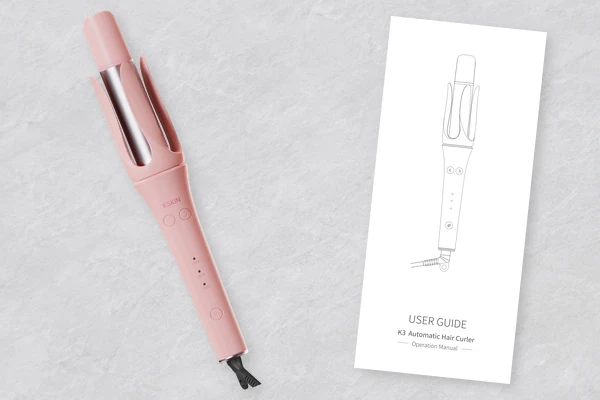
Please quote the automatic curler shown in the attached sample photo for [destination market] at [order quantity] units. The approved sample uses [winding format and direction controls]. Please confirm the electrical rating, plug, manual language and items included in each retail box. Quote the standard pack and branded pack separately. Include carton details, currency, delivery term and named place, any one-time charges, quote validity and the event that starts the lead time. Please identify any difference from the reference sample.
When the response comes back, an unanswered field can remain open while the rest of the offer is reviewed. If the missing item could change the buying decision, such as the winding mechanism, destination version or whether the branded box is included, resolve it before ranking the quotes.
Frequently Asked Questions
Can we use the supplier’s standard sample to approve a branded order?
It can support the decision on winding, controls and general handling when those match the intended order. Branding, label text, instructions and packaging still need approval against the commercial version. Identify any difference between the reference sample and the unit that will ship.
Should different plug versions share one quantity tier?
Give the supplier the total order and the split by version. Ask whether pricing and minimum quantities apply to the combined order or to each configuration. The same question matters when a single shipment includes several manual languages or retail boxes.
What should we do if the lowest quote leaves out carton dimensions?
You can compare the stated product price while treating freight as unresolved. Request dimensions, packed weight and units per carton for the actual retail pack. If a supplier gives provisional figures, keep that qualification with the freight estimate.
Is the quoted lead time the date the goods will reach our warehouse?
Ask what milestone the supplier is quoting and what starts the clock. Production completion, dispatch and arrival at a named destination are different events. The agreed order quantity, approvals, payment timing and freight arrangement all matter when converting a production estimate into a delivery plan.
Choosing the Quote You Can Order Against
The strongest quote is one your team can read beside the approved sample and packing list without having to guess what changed. Once winding behavior, market version, retail pack and delivery basis are aligned, a lower price may be a genuine saving. A higher price may also make sense when it includes something your channel actually needs.
If you are evaluating an automatic curler for your range, send K·SKIN the sample reference or winding format you prefer, the destination market and the complete pack you want priced. Those details give us a practical starting point for reviewing the product and preparing terms you can compare.
🌐 Website: K·SKIN Global
✉ Email: info@kskinglobal.com