
Beauty Device & Hair Styling Tool OEM/ODM Development
Develop a Product Difference Worth Producing
Choose OEM/ODM when your project requires meaningful changes to the product itself rather than only a different logo, color, or package. K·SKIN Global evaluates selected beauty-device and hair-styling projects through feasibility review, development scoping, prototype validation, and production-readiness review.
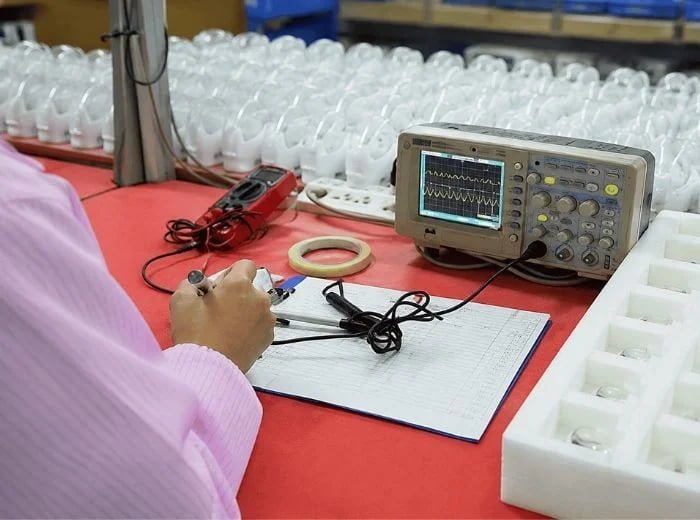
Define the commercial goal first, then determine the practical level of engineering and validation required.
Choose the Right Product Development Route
Not every product difference requires a full OEM/ODM project. The most practical route depends on how well an existing product already fits the intended consumer routine, market position, and core functional requirements.
Use an existing product platform when it already fits the intended consumer routine, market position, and core functional requirements.
- Brand identity and logo
- Approved color options
- Packaging and manuals
- Commercial configuration
Modify selected parts of an existing platform when the base product is suitable but specific elements require a clearly defined engineering review.
- Selected product structure
- Control interface
- Electrical configuration
- Accessories and appearance
Develop a more distinct product version when the required differentiation affects the core product system and requires deeper engineering work.
- New structure or tooling
- Electronics and control logic
- Heating, airflow, water, or steam systems
- New technical combinations
Define OEM/ODM Project Responsibilities
OEM/ODM can mean different things across projects. A more useful approach is to define who provides the commercial requirements, who develops the product, who approves key decisions, and what each party is expected to deliver.
Project Element
Buyer or Brand
K·SKIN Global
Define the target market, target consumer, sales channel, and intended commercial position.
Review the requirements against available product platforms and development feasibility.
Define the required product differentiation and key commercial expectations.
Translate the agreed requirements into a reviewable technical and development scope.
Provide brand or design direction where applicable.
Review manufacturability and support development of the agreed product design.
Confirm the required functional direction and project priorities.
Evaluate and develop the agreed structural, electronic, and control solutions.
Review samples and approve the agreed product direction.
Build or coordinate prototypes and complete the agreed engineering verification.
Approve commercial terms and the required project investment.
Define relevant tooling and engineering requirements and prepare the agreed product for production.
The exact division of responsibilities should be confirmed for each project rather than assumed from the term OEM/ODM alone.
Product Development by Technical System
A product that looks simple from the outside may involve very different engineering decisions internally. Development priorities should therefore follow the technical system of the selected product rather than appearance alone.
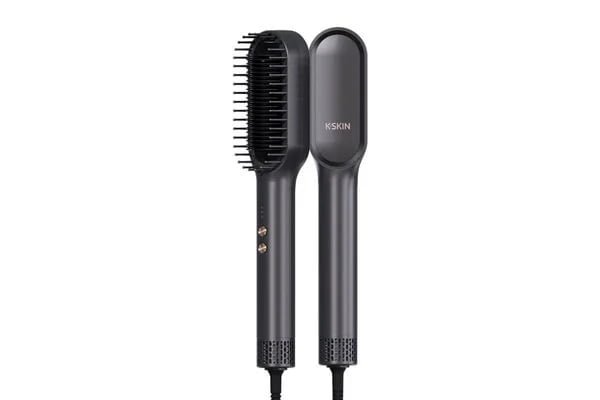
Heating, Airflow & Control Systems
- Heating system and thermal structure
- Temperature and control strategy
- Airflow system, where applicable
- Electrical configuration and interface logic
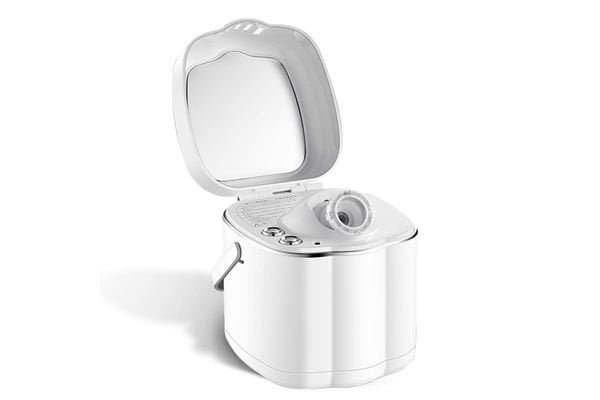
Water, Heating & Steam-Output Systems
- Water path and tank design
- Heating and steam generation
- Nozzle and output structure
- Cleaning, electrical, and control considerations
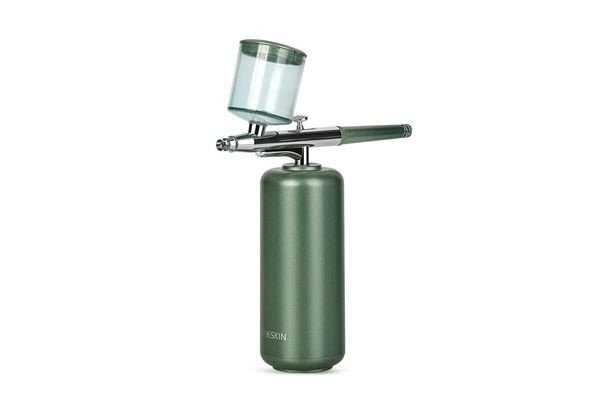
Treatment Heads, Controls & Technical Outputs
- Treatment-head structure
- Electronics and controls
- Charging or battery system
- Technical-output interface and accessories
OEM/ODM Product Development Process
The purpose of the development process is not simply to move through a checklist. Each stage should answer a key project question before more time, tooling, or production resources are committed.
Define the target market, intended consumer, product concept, required differentiation, commercial goals, and expected project scale.
Determine whether the concept is technically achievable and whether an existing platform or deeper development is more practical.
Confirm product changes, engineering responsibilities, development deliverables, prototype requirements, tooling requirements, and key commercial conditions.
Develop and review prototypes or engineering samples according to the agreed scope and revise the product where required.
Verify the agreed product version against the technical and commercial requirements defined for the specific product and project.
Confirm that the product version, technical requirements, approved references, and production conditions are sufficiently defined for repeatable production.
Resolve Key Decisions Before Product Freeze
A product should not move toward commercial production while important engineering or commercial decisions remain unclear. The approved version needs to be specific enough to build, verify, and reproduce consistently.
Product freeze is not simply the end of prototype work. It is the point at which the project has sufficient technical and commercial clarity to move toward controlled production.
Approved product definition
Agreed validation plan
Clear tooling and ownership terms
Controlled post-approval changes
Confirm the agreed product structure, functions, technical configuration, relevant components, accessories, electrical version, and approved reference sample.
Define which performance, functional, durability, safety, or other agreed checks are required for the specific product and project scope.
Clarify tooling costs, ownership, maintenance responsibilities, engineering fees, project-specific design files, and agreed confidentiality terms before major investment.
Review significant post-approval changes for their possible impact on performance, validation, tooling costs, lead time, product documentation, and production requirements.
Submit Your OEM/ODM Product Brief
You do not need a complete engineering specification before contacting us. A useful starting brief explains what you want to change, why the difference matters commercially, and which market the product is intended for.
What is the practical difference between Private Label and OEM/ODM?
Private Label is generally suitable when an existing product already fits the project and the main changes involve branding, packaging, or commercial configuration. OEM/ODM should be evaluated when the project requires meaningful changes to the product itself, such as structure, electronics, tooling, core functions, or technical systems.
Can you modify an existing product instead of developing a completely new one?
Yes, where technically practical. Controlled modification of an existing platform can often be more efficient than developing a completely new product. The appropriate route depends on the required product differentiation and its technical impact.
Can every product idea be developed?
No. Technical feasibility, expected quantity, development investment, tooling requirements, validation requirements, and production practicality all need to be reviewed before a project is accepted.
Can we evaluate prototypes before volume production?
Yes. Prototype or engineering-sample review is normally an important part of projects involving meaningful product development. The exact prototype route depends on the project scope.
When should tooling and ownership terms be confirmed?
Where dedicated tooling or project-specific assets are required, the related costs, ownership, and responsibilities should be agreed before significant tooling investment begins.
What determines OEM/ODM MOQ, pricing, and lead time?
These depend on the selected product platform, development depth, tooling requirements, material and component conditions, validation scope, production quantity, and other project-specific requirements. There is no single commercial condition that applies to every development project.